
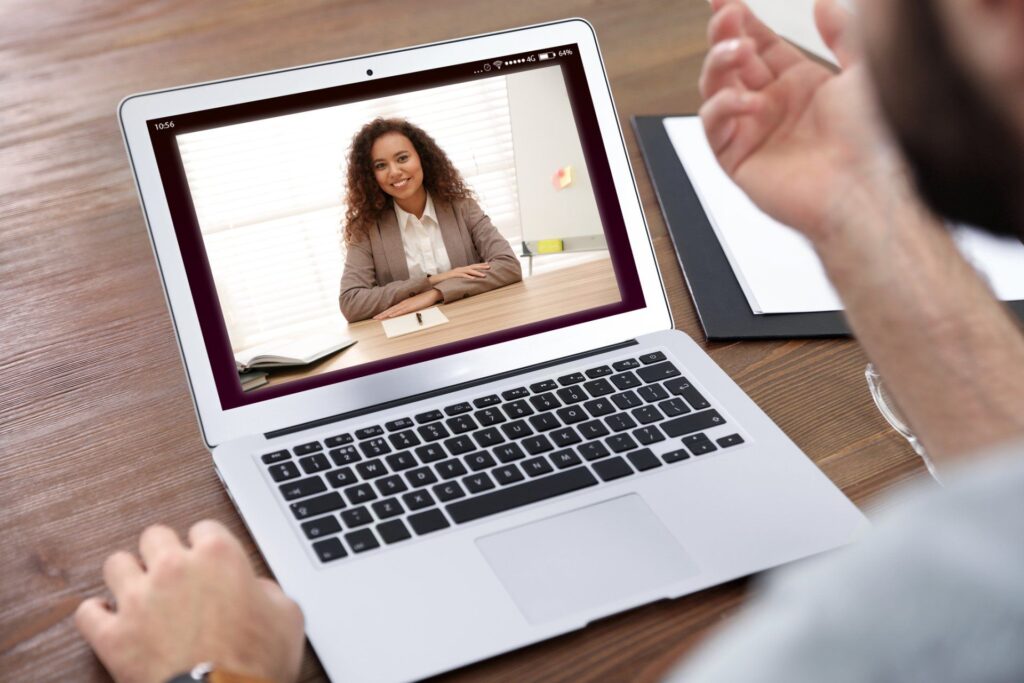
Video interviews are now a standard step in technical hiring. Whether it’s a first screen with a recruiter or a final round with a hiring manager, the same preparation that wins an in-person interview applies, plus a few things that only matter on camera. Here is how to get ready, what to do during the call, and how to follow up.
Before the Interview
- Get the platform ready early. Familiarize yourself with the digital platform the interviewer uses and download the program in advance. Whether it’s Zoom, Microsoft Teams, Google Meet or something else, make enough time to test it well before your scheduled interview. Make sure you know how to turn your camera and microphone on.
- Check your connection. Make sure you have adequate signal strength, and if not, find a better location. Ensure that your computer or phone is charged or plugged into a reliable source. Early on interview day, test your equipment and internet connection again.
- Prepare your space. Test your lighting. There’s nothing worse than interviewing someone who looks like they are in a grainy dungeon. Position a bright light in front of or above you so your picture is clear, and make sure your interview space appears clean and organized.
- Be early. Be available and ready at your computer or phone at least 10 minutes ahead of your scheduled interview time.
- Minimize distractions. Inform those around you that you will be on an important call, and go to a quiet place. Turn off the ringer on other phones, and shut down anything that creates background noise such as fans, air conditioners, music or TV. If you have young children at home, arrange supervision or a quiet activity for the duration of the interview.
- Keep water nearby to avoid dry mouth. If you must cough or clear your throat, turn away from the microphone.
- Plan your key points and focus them on how your skills and experience will add value for the company, project and manager.
- Have your résumé handy. Print it out and review it in advance. Note on it that you are available to work remotely or on-site, whichever applies.
- Practice speaking in short, thoughtful sound bites. Avoid long monologues and prepare for the questions you anticipate. To sound authentic instead of rehearsed, build on the interviewer’s questions or comments and keep a conversational tone. Practice with friends, relatives or a mentor so you get comfortable speaking about yourself and your skills.
- Stay stationary. If you must use a cell phone, do so from one location, not while driving or walking. Movement interrupts reception and call quality, and on video it makes your interviewer dizzy. Disable call waiting if you can.
- Manage nerves. If you anticipate being nervous, practice slow breathing or a short relaxation exercise beforehand.
- Keep notes and a pen ready. Avoid typing during the interview; the tapping is distracting on a call.
- Dress professionally. As with an in-person interview, plan your outfit. First impressions count.
- Research the company, the hiring manager and the job. Read the company website, know the mission, and understand the values, culture and job requirements. If you are working with a recruiter, ask for any tips or information they can provide to help you win the job.
During the Interview
- Behave in the same courteous manner you would in person.
- Speak directly into your audio source and look into the camera. Watch your interviewer’s body language and take note of visual cues. Be aware of your own body language: maintain eye contact, smile when appropriate, and avoid fidgeting.
- Listen for the interviewer’s voice. When you hear it, stop talking. You will most likely get a chance to revisit or expand on your thoughts before the interview ends. Pace yourself to your interviewer to build rapport.
- Smile, and put energy into your voice. It conveys enthusiasm and makes you sound friendly and accessible.
- Remember that the goal of the interview is to help the hiring manager decide why to hire you. Be very clear in your own mind about why. Communicate your relevant experience, insights, work ethic and understanding of the job requirements. Know your accomplishments, your career goals, how you overcame challenges, and why you are interested in this company. Be prepared to discuss your strengths and weaknesses, and how you would evaluate project or team success on the job.
- Present evidence. Explain how your skills, approach or insights resulted in specific successes at work. Where possible, share performance metrics and outcomes.
- Have questions ready about company goals, the position and the manager’s goals, organizational structure, workplace culture, expectations, performance measures and next steps.
After the Interview
- Celebrate your good work. You prepared, learned and made a solid effort.
- Follow up with a brief, carefully written email to your interviewers within 24 hours. Use the thank-you note to reinforce your key message or add a thought that might sway the decision your way. Keep it focused on value; the interview is as much about their needs as about you.
- Stay in touch with your recruiter to follow up on a pending offer and onboarding needs. If no offer is made, ask for feedback you can learn from so you are even better prepared next time.
If you haven’t yet landed an interview, check out current openings at EliteTechnicalJobs.com, join our talent network, or read why candidates choose Elite. Our recruiters are glad to talk through positions of interest to you.
As author Joe Poyer said, “Thorough preparation makes its own luck.” We wish you much luck.